Joint Health Academy
Stiff After Sleeping? Understanding Canine Joint Health
A science-informed guide to cartilage, connective tissue, healthy inflammatory balance, and lifelong mobility — vetted by a veterinarian.
A Whole-Joint Approach
Healthy joints are living systems. Cartilage, synovial fluid, subchondral bone, ligaments, tendons, muscle, and normal inflammatory pathways all influence how comfortably your dog moves. Because no single pathway determines joint health, a thoughtful multi-ingredient strategy can support several parts of this biology at once.
Understanding the Joint Environment
Articular Cartilage
Low-friction surface and shock distribution
Synovial Fluid
Lubrication and nutrient exchange
Subchondral Bone
Structural foundation beneath cartilage
Capsule • Ligaments • Muscle
Stability, alignment, and controlled movement
Key Joint-Support Nutrients
Each ingredient targets a different part of joint biology. Together, they form a complementary, multi-pathway approach.
Glucosamine — Building Blocks for Cartilage
A naturally occurring amino sugar in connective tissues. It participates in pathways that build glycosaminoglycans and proteoglycans — key components of the cartilage matrix. Canine trials of glucosamine/chondroitin combinations have reported improvements in mobility measures associated with osteoarthritis.
Chondroitin Sulfate — Structure & Resilience
A major glycosaminoglycan in cartilage. Its charged structure helps cartilage hold water, adding resilience under compression. It's frequently paired with glucosamine because the two address complementary aspects of cartilage biology.
MSM — Sulfur & Antioxidant Support
An organic sulfur compound studied for antioxidant and inflammation-modulating effects. Human osteoarthritis trials have reported improvements in some pain and physical-function measures. In a multi-ingredient formula, MSM contributes sulfur and supports normal oxidative and inflammatory balance.
Type II Collagen — A Distinct Pathway
The predominant collagen of articular cartilage. Undenatured type II collagen may work through oral tolerance — an immune-mediated mechanism. Controlled canine studies have reported improvements in pain and mobility in arthritic dogs receiving it.
Green-Lipped Mussel — Marine Bioactives
Naturally contains omega-3 fatty acids, proteins, minerals, and other bioactives. Multiple canine studies of dogs with osteoarthritis have reported improvements in arthritis severity, pain, or mobility. Its broad nutrient profile makes it attractive in a multi-pathway strategy.
Boswellia serrata — Botanical Balance
Its boswellic acids have been studied for effects on inflammatory signaling. Veterinary research in dogs with chronic musculoskeletal disease has reported improvement in clinical signs, complementing structural joint nutrients.
Yucca Extract — Complementary Phytochemicals
Contains steroidal saponins and polyphenols studied for antioxidant and inflammation-related activity, with a long history in animal nutrition. A logical complementary botanical within a broader formulation.
The Bigger Picture: Lifelong Mobility
Joint nutrition works best as one part of a broader mobility plan.
Healthy Weight
Reduces unnecessary mechanical load
Muscle + Movement
Supports stability and function
Joint Nutrition
Provides complementary nutrients
Veterinary Care
Identifies and manages disease early
Veterinarian's Bottom Line
"No single ingredient is a cure. But a thoughtfully combined, multi-pathway approach — paired with healthy weight, regular movement, and veterinary guidance — gives your dog the best foundation for comfortable, active aging. The strongest canine evidence supports undenatured type II collagen and green-lipped mussel."
— Dr. John Soltero, Founder & Veterinarian · 15+ yrs clinical practice
These statements have not been evaluated by the Food and Drug Administration. This product is not intended to diagnose, treat, cure, or prevent any disease. The information on this page is for educational purposes only and is not a substitute for professional veterinary advice. If your pet has a medical condition or is taking medications, consult your veterinarian before use.

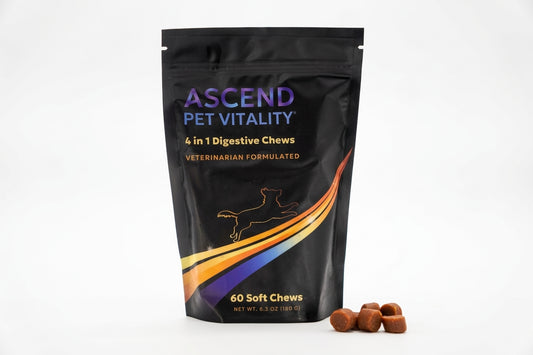
 Regular price From $37.95Regular priceUnit price per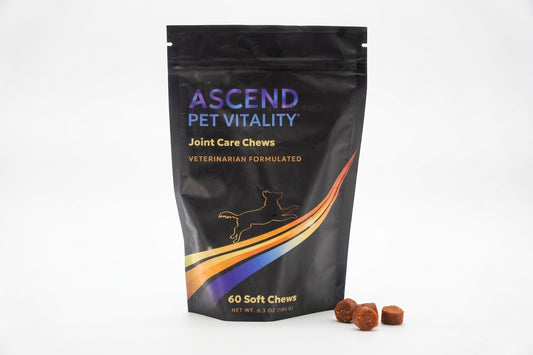
 Regular price From $44.95Regular priceUnit price per
 Regular price From $44.95Regular priceUnit price $44.95 per item
